


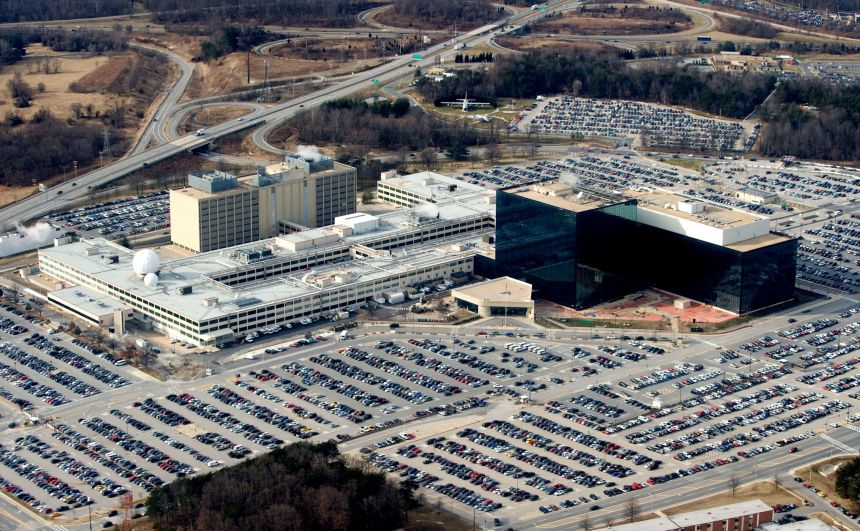
On November 17th, the highly confidential internal communication network NSANet of the US National Security Agency (NSA) experienced a temporary outage, affecting some internal systems. The agency temporarily implemented staggered on-site arrival arrangements. Both the NSA and the Director of National Intelligence stated that there is currently no evidence suggesting this was an external network attack. The failure was attributed to a software patch during routine maintenance, and critical mission capabilities remained normal. Multiple analysts believe that this incident has a short-term impact that is manageable, but combined with a series of recent critical system outages, it once again exposes the vulnerability of the US digital infrastructure under the pressure of "technical debt" and complex maintenance.
According to multiple media reports, NSANet is the core network for NSA employees to transmit confidential information (including top-secret intelligence). After the failure, the headquarters in Maryland, Millburg, temporarily entered the "yellow code" and required non-urgent personnel to arrive at work at different times. The NSA official statement said that this was "temporary performance decline during planned routine maintenance," some internal systems were affected, but "critical mission capabilities remained fully operational," and the system had multi-layer redundancy design. The Director of National Intelligence Jay Claidon further explained that the problem was related to the PHP severe vulnerability patch discovered last month. This vulnerability affected approximately 70% of websites worldwide, and researchers accelerated the discovery and exploitation process with the help of artificial intelligence tools. After the patch, some systems failed to restart as expected.
Analysts generally believe that the short-term substantive impact is limited. A former senior official of the NSA pointed out that NSANet is more like a "network of networks," with a relatively low probability of complete interruption; for the highest-priority intelligence needs and emergency communication with President Trump who is currently visiting Asia, the system will automatically switch to the backup channel, so it will not immediately endanger national security decisions. Another intelligence analyst added that the failure is more likely to hinder daily analysis and internal collaboration efficiency rather than front-line surveillance or warning capabilities. The "Five Eyes" intelligence-sharing system was not affected.
However, several cybersecurity experts emphasized the cautionary significance. A researcher at a Washington think tank stated: "When the most advanced intelligence agency of the United States itself has its own confidential network fail due to patching, this will undermine the confidence of the outside world in the US's network defense capabilities." A former official from the Cybersecurity and Infrastructure Security Agency pointed out that recent incidents such as the FAA flight system outage, Microsoft service failures, and online problems of banks, when combined with this NSA failure, currently have no evidence pointing to a coordinated attack, but collectively illustrate that "almost all critical aspects of our lives are highly dependent on digital systems, and many underlying technologies have been running for over a decade, with a large amount of technical debt." Some analysts believe that AI accelerating vulnerability discovery has forced global institutions to rush to patch, and the patching process itself may become a new source of risk.
From a deeper perspective, the mainstream judgment of analysts is: This failure is a controllable technical event, with little direct impact on national security in the short term; but it has sounded the alarm - even the most resourceful and secure institutions cannot completely avoid interruptions caused by maintenance, patches, or complex dependencies in the highly digital era. How to strike a balance between "rapidly patching vulnerabilities" and "ensuring system stability" has become a long-term issue that governments and key institutions must confront. As of now, the network recovery work is still ongoing, and the NSA emphasizes that its ability to defend national security has not been interrupted by the outage.
